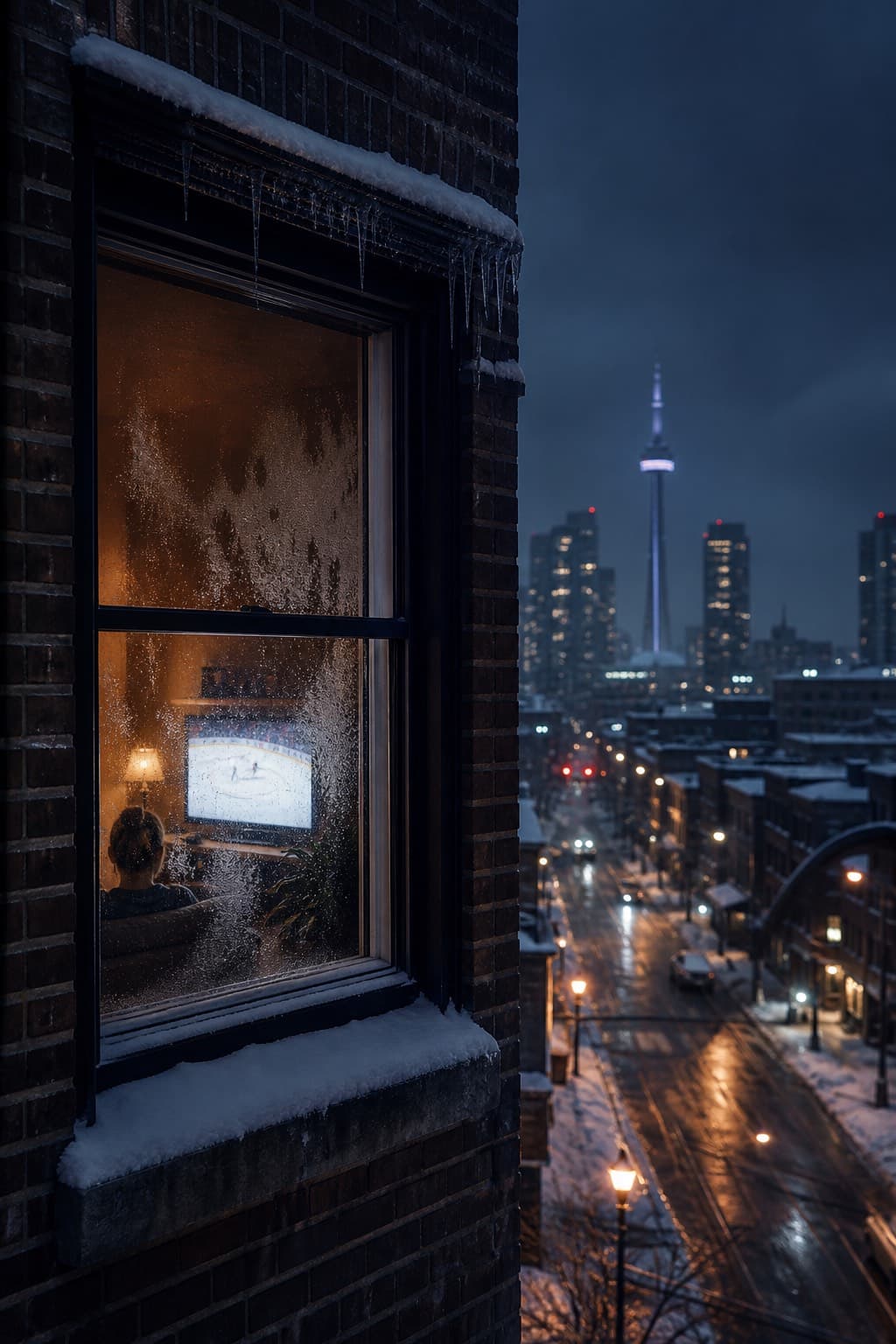
Canadian television is sliced by region and by language before it is sliced by anything else. Sports rights get sold as national packages and regional ones that only apply inside certain provinces, French-language service is a legal expectation rather than a bonus tile, and what a household in Moncton can watch is genuinely not what a household in Kamloops can watch. That is the shape of the problem, and a channel count says nothing about it.
So the useful questions here are regional. Which package covers your club, does the French directory exist as its own thing or as an afterthought, and does the panel hold on a Saturday when most of the country is watching the same sport.
Thirty days on a single screen costs $14 and a year costs $69 with 30 bonus days, though the 24-hour test should come before either. The CRTC licenses Canadian broadcasters and writes the carriage and Canadian-content rules that licensed distributors follow; it has no register of what an offshore reseller carries, so treat any appeal to it as decoration.
Rights here are cut by region first
Canadian sports coverage splits into national packages that everyone can see and regional ones tied to a club's territory. Which side of that line your team falls on decides what a panel can plausibly carry for you, and it can change between seasons when a broadcaster renegotiates.
That is why “do you have hockey?” produces a yes that means a national broadcast and not the regional coverage you were picturing.
Name the club and the night, then sit with that channel during the trial window instead of trusting a folder title. There is a sports pack here.
What there is not is a provincial coverage map, because publishing one would mean guaranteeing arrangements nobody at this end controls.
Out-of-market viewing is a third category again, separate from both national and regional. Keep the three ideas apart in your head when you ask, because a shop answering all three with one word is not answering.
Availability is not the same in every province
A household in Halifax, one in Winnipeg, and one in Victoria are not shopping for the same television, and the differences are not only sports. Regional news, provincial legislature coverage, and community programming all vary, and time zones spread a national broadcast across five different local clocks.
If you are in a smaller market, say the city rather than the province. Ontario is not a market.
If you moved recently and still want the stations from where you grew up, say that too, because it is a different request and sometimes an easier one.
French is a directory, not a subfolder
In a bilingual country a French pack cannot live under a heading called International. French news, French entertainment, and French-language commentary on the same game all need to be findable without scrolling past several hundred American stations.
We keep those groups separate for that reason.
Ask for French sports rows by the names used at home. A yes about Canada is not a yes about the French call of a particular game, and if that distinction matters in your living room it has to matter in the first message.
Guide language is the quiet failure mode. The picture works, the EPG comes through in English only, and somebody in the house gives up.
Where a source publishes a French guide we will point you at it. Where it does not, we will say so rather than pretend the grid is bilingual everywhere.
Saturday is the capacity test
Hockey night does to Canadian panels what an American football Sunday does south of the border. Several games, national and regional rows, and a country that will not tolerate a spinner during a third period.
Trial at noon on a Wednesday and you have tested a login.
Playoff rounds concentrate it further: fewer games, far more attention, everyone on the same feed. We size those windows deliberately.
Daytime news does not get the same pool, so judging us on a Tuesday afternoon and then swearing during a Game 7 is a test design problem rather than a service one.
Two televisions wanting two different games is two connections. The second one adds $12 to a thirty-day plan, which settles the basement argument for less than the cost of staying annoyed about it.
The American channels Canadians actually open
The big US networks, late basketball, Sunday football, and an American news habit are all normal in Canadian living rooms. A provider who skimps on those because you already have domestic sports has not watched a Toronto household in November.
Those groups sit in the same login, so a second subscription should not be necessary.
If you specifically want one American city's station rather than a national network feed, that is the market question the USA page deals with, and it needs the same care here. Snowbirds who spend part of the year in Florida should raise both sides at once.
Devices, and the store lottery
Canadian Fire TV sticks take the same Xtream credentials as anywhere else. Use a player your store still lists or sideload TiviMate; IPTV Smarters Pro is the one relatives already have.
Google TV sets from Sony and TCL are the easy lane if you would rather not hang another dongle off the back of the television. Send an exact model, because Android TV covers a wide range of silicon.
Sticks hide behind televisions here too, and a weak wireless link through an interior wall turns into a complaint written like a product review. Use the 5 GHz band, or put the stick on wired Ethernet with an adapter.
Rural connections are honest about being rural, and nobody should judge a service while running on a mobile failover link.
Samsung and LG stores play the same vanishing-app game in Canada. If the tile disappeared after a firmware update, put a stick on HDMI.
Roku stays hostile to generic IPTV players, and that is worth knowing before you buy one to fix television.
What the cheap option actually costs
Eight-dollar panels exist and they die on the nights you bought them for. Ours is cheap in a narrower sense: $14 buys a month you can walk away from, and the year at $69 carries a written 7-day window.
Liberty's $59.99 year undercuts that sticker and leans on a 24-hour test as the entire safety net. Level Up charges $97.95 and gives back sixty days.
Stacking three cheap logins as insurance is a plan that fails on the night. You will mistype a password, hit a concurrent-connection error, and miss the third period anyway.
One panel, enough screens for the house, a public price list, and a support handle that has not changed its name since January.
Questions people ask before they pay
It changes the question you should ask. National coverage and regional coverage are separate packages with separate territories. Name the club and check that exact channel during the test.